When We're Not Murdered: The Hidden Risks of Breaking Social Norms
Most people don’t think about safety until something goes wrong. But what if the danger isn’t from strangers in dark alleys - but from the rules we’re told to follow? When we’re not murdered, we still face invisible threats: judgment, isolation, rejection. These aren’t dramatic headlines. They’re quiet, daily losses. And they happen when we step outside the lines society drew for us.
Some people turn to unconventional paths to survive - like finding work as an escorte girl c in a city where the rules are blurry and the pay is clear. It’s not romance. It’s economics. And while society labels it deviant, the real deviance might be expecting someone to starve while refusing to let them earn what they need.
What Does ‘Deviance’ Really Mean?
Deviance isn’t about being bad. It’s about being different in a way that makes people uncomfortable. A man who works nights to support his kids? Normal. A woman doing the same thing, but charging for companionship? Deviant. The difference isn’t in the action - it’s in the gender, the class, the history.
Sociologists have studied this for over a century. Emile Durkheim said deviance isn’t a flaw in society - it’s a feature. It helps us define what’s acceptable by showing us what’s not. But here’s the catch: the people who get labeled deviant rarely get to help write the rules.
The Cost of Staying in Line
Staying inside the lines doesn’t mean safety. It often means silence. Women in abusive relationships who stay because they’re told divorce is shameful. Men who hide depression because crying is weak. Teens who drop out of school because they can’t afford to be the only one without a phone. These aren’t acts of rebellion. They’re acts of survival under pressure.
Studies show that people who conform to social expectations still suffer from anxiety, depression, and burnout - sometimes worse than those labeled ‘outliers.’ Why? Because the pressure to perform normalcy is exhausting. You have to fake smiles, hide your debts, pretend your life isn’t falling apart.
When Deviance Becomes Survival
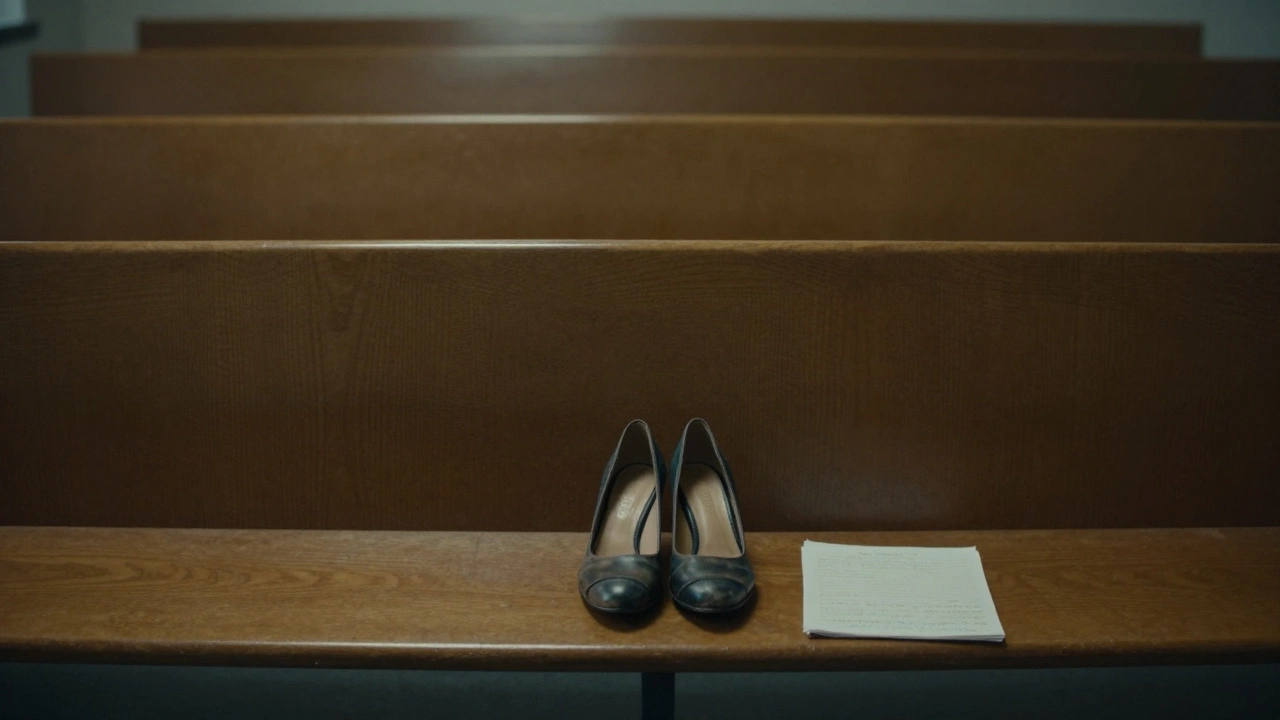
In Paris, where rent is high and wages are low, some women turn to work as escort parijs - not because they want to be seen as glamorous, but because they can’t pay their bills any other way. They don’t wear heels and diamonds for fun. They wear them because clients expect it. They don’t choose the job for freedom - they choose it because the system gave them nothing else.
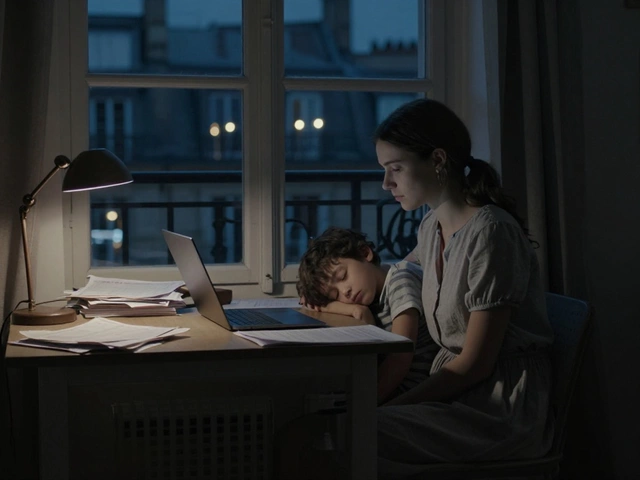
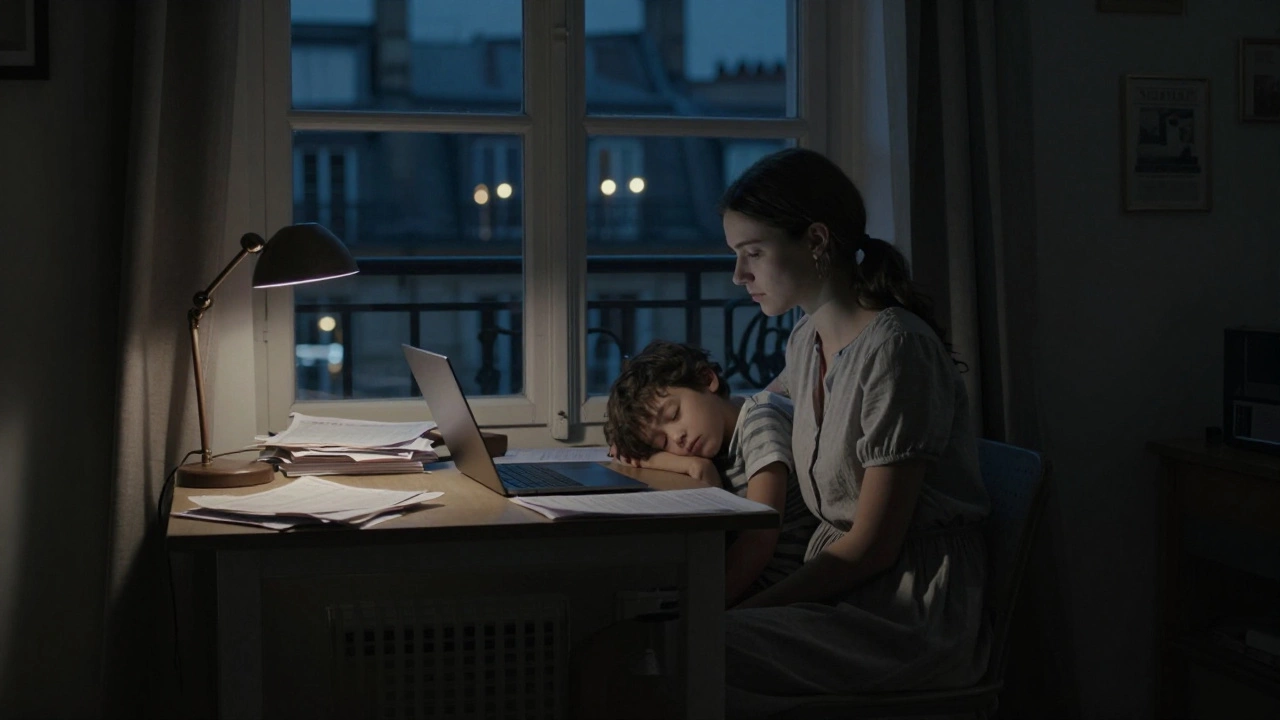
It’s not about sex. It’s about time. One woman told me she worked three hours a night to cover her daughter’s school fees. She didn’t see herself as a rebel. She saw herself as a mother. But the law didn’t care. The neighbors didn’t care. The media painted her as a statistic.

The Double Standard of Power
Why is a CEO who fires 500 workers to boost profits called a ‘strategic leader’ - but a woman who trades companionship for rent called a ‘prostitute’? The answer is simple: power decides what’s normal.
Corporate greed is normalized. Poverty is criminalized. The same society that celebrates Elon Musk’s wealth mocks a woman who sleeps with a stranger to keep her lights on. The real deviance isn’t in the act - it’s in the hypocrisy.
Even laws reflect this. In many countries, selling sex is illegal, but buying it isn’t. That means the person with the least power - the worker - gets punished. The person with money? They walk free. That’s not justice. That’s control dressed up as morality.
Scorts en Paris: A System That Fails Everyone
When you hear ‘scorts en paris,’ think of a 24-year-old single mom who speaks three languages, has a degree in psychology, and now works nights because no one will hire her without a permanent contract. Think of the police who raid her apartment but never question the men who pay her. Think of the tourists who leave tips and never ask her name.
This isn’t a sex industry. It’s a labor crisis. And the people who profit from it - the landlords, the app developers, the hotel owners - never get called deviant. They get tax breaks.
What Happens When We Stop Judging?
Imagine a world where people aren’t punished for surviving. Where a woman who works as an escort isn’t shamed - but given housing, healthcare, and legal protection. Where a man who works two jobs to feed his kids isn’t called ‘desperate’ - he’s called ‘resilient.’
This isn’t fantasy. It’s policy. In New Zealand, sex work is legal and regulated. Workers have union rights. Clients are monitored. Violence against workers dropped by 80%. No one called them deviant. They called them workers.
The problem isn’t the people breaking the rules. It’s the rules themselves.
Breaking the Cycle
Change doesn’t come from shouting louder. It comes from asking better questions.
- Why do we punish survival?
- Who benefits when we label people deviant?
- What would happen if we stopped judging and started supporting?
Real safety doesn’t come from locking people out. It comes from lifting them up. It comes from housing, healthcare, living wages, and dignity. Not from laws that criminalize poverty.
If you want to know what true danger looks like - look at the systems that make people choose between eating and being seen as a criminal. That’s the real threat. Not the person on the corner. Not the woman in the car. The system that made her there.
What Comes Next?
You don’t have to agree with every choice people make. But you can ask why they had to make it. You can support policies that reduce harm instead of increasing punishment. You can listen to the people society ignores.
Maybe one day, we won’t need to call anyone deviant. Because we’ll have built a world where no one has to break the rules just to survive.
tentang penulis